

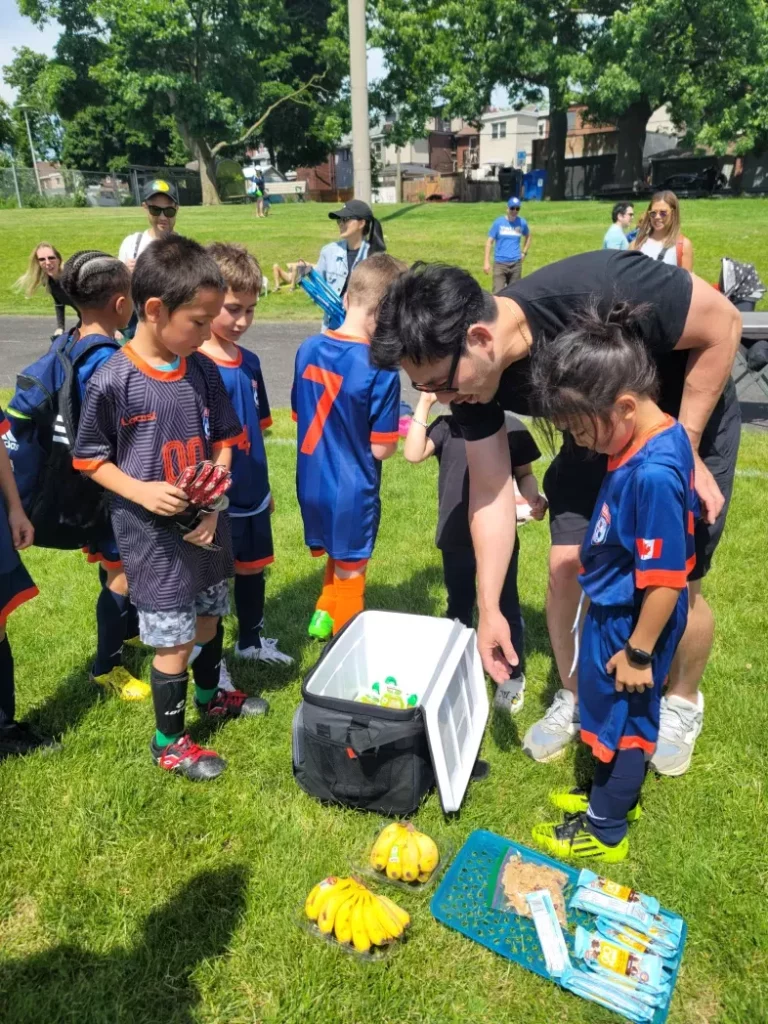
Arrive Ready
Check the session time, location and weather before leaving home and aim to arrive 15 minutes early. Bring the right equipment, water, clothing and any required medication.
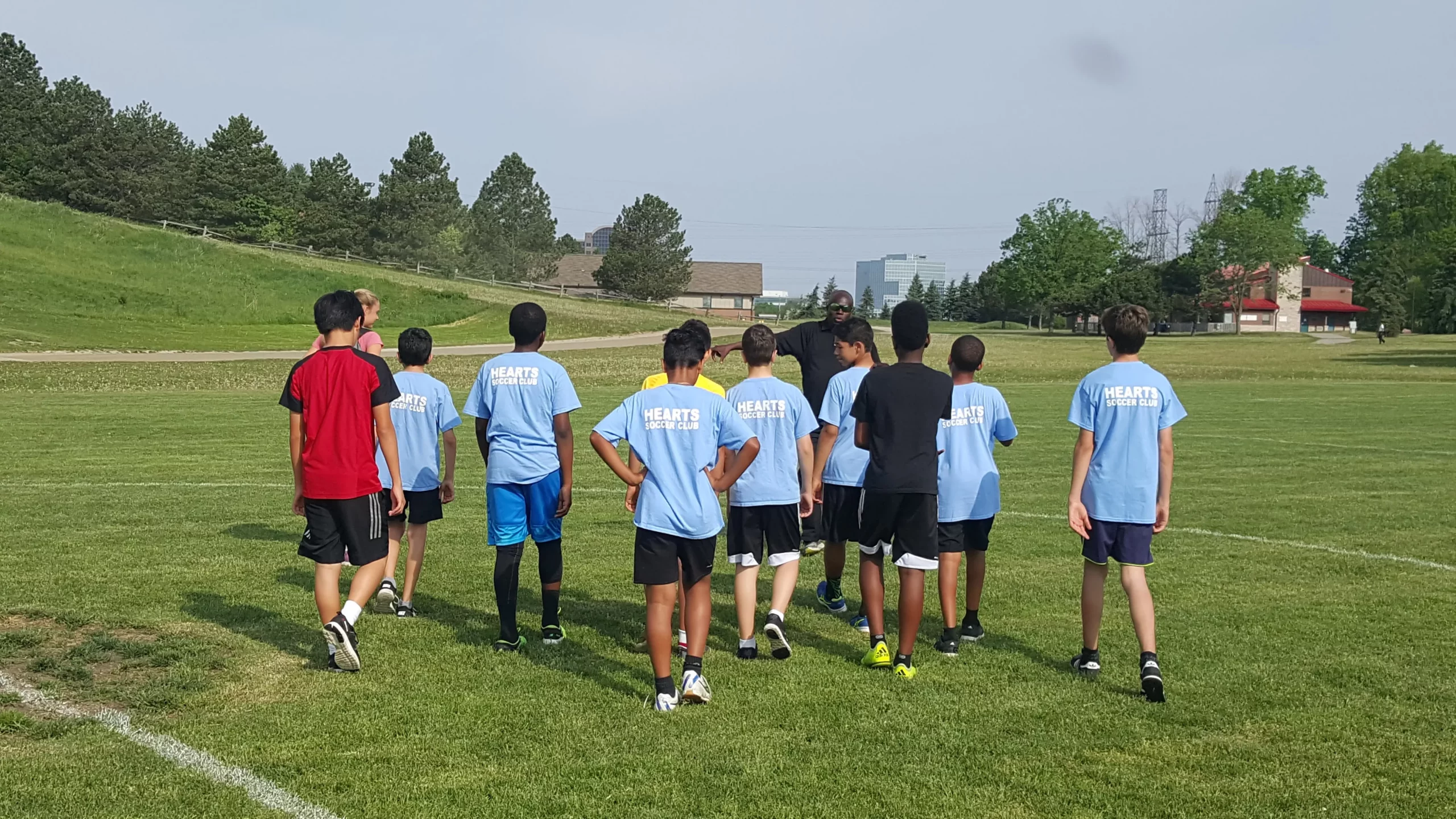
Simple routines that help players arrive ready, learn effectively and recover well.
 Helpful Information
Simple habits and practical routines that help players feel confident, stay safe and get more from every training session.
Consistent preparation supports confidence, learning and long-term development. Players do not need to be perfect—they need regular attendance, appropriate challenge, enough recovery and an environment where mistakes are treated as part of learning.
North York Hearts encourages players to arrive prepared, communicate honestly with coaches and approach each session with a clear purpose. Small, repeatable habits can make a meaningful difference over time.
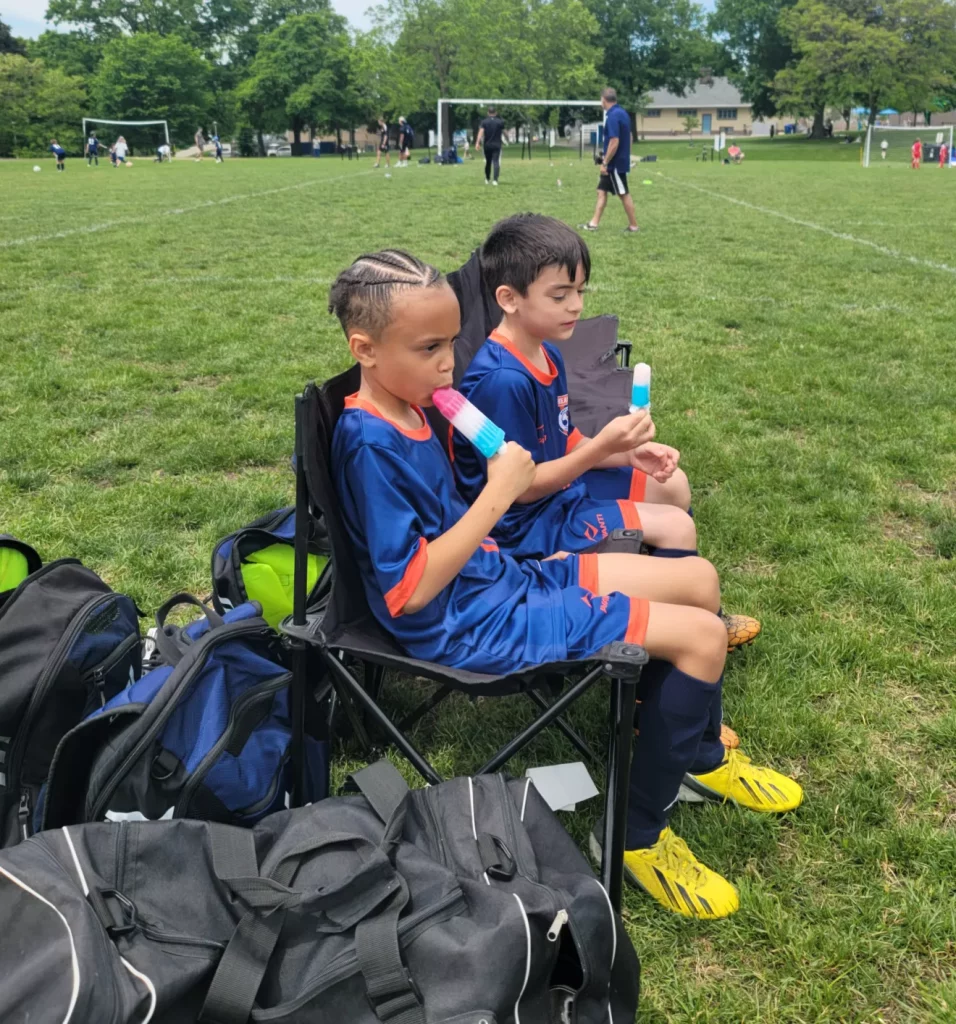
Check the session time, location and weather before leaving home and aim to arrive 15 minutes early. Bring the right equipment, water, clothing and any required medication.

Set one simple, controllable intention for the session, such as scanning before receiving the ball, communicating more clearly or encouraging teammates.
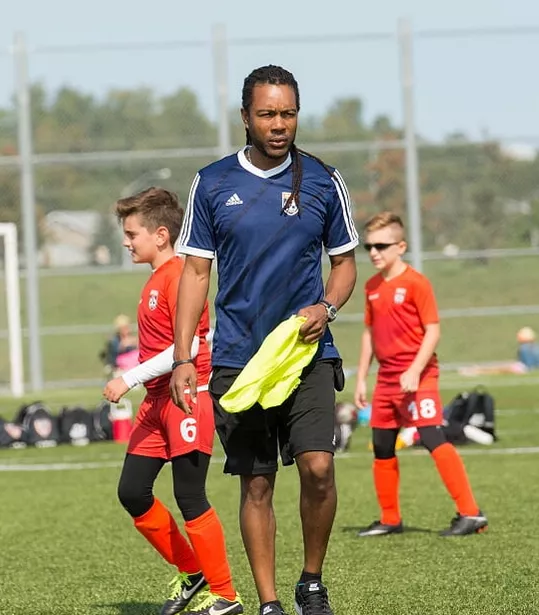
Effective training should include plenty of ball contact, small-sided games, realistic soccer situations and opportunities to make decisions, solve problems and learn from mistakes.
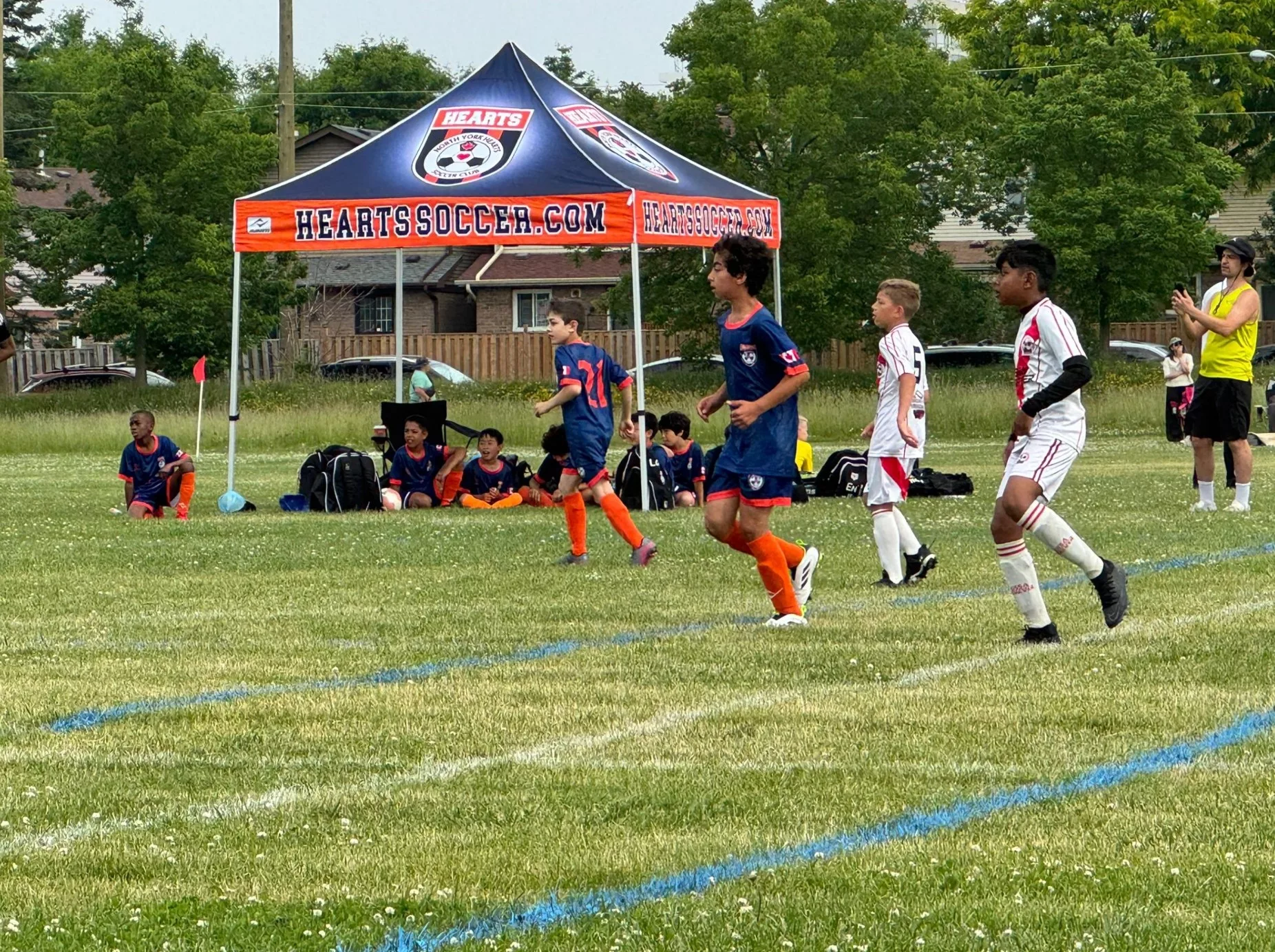
If you have questions about training times, equipment, session expectations, workload or player readiness, speak with your coach or contact the club for guidance.
Why Hearts Is Different
North York Hearts training is designed to help players think, solve problems and develop confidence in realistic soccer situations.
 Sessions begin with a clear learning objective and a check of player readiness.Warm-ups combine movement and ball work appropriate to the player’s age and conditions.Players explore game-like problems through repeated, purposeful activities.Small-sided games create frequent decisions, attacking and defending moments and 1v1 opportunities.Coaches use questions, guided discovery and constructive feedback instead of constant instruction.Sessions finish with a short reflection, recovery reminder and focus for the next opportunity to learn.
 Helpful Information
Players should aim to arrive around 15 minutes before the session begins so they have time to check in, prepare equipment and be ready to start on time.
Players should bring shin guards, appropriate footwear, labelled water, weather-appropriate layers and any required medication.
Players should tell their coach about pain, illness, fatigue, stress or anything else that may affect safe participation before the session begins.
Training should include high ball-contact time, limited waiting in lines, realistic attacking and defending situations, small-sided games, repeated decision-making and an appropriate level of challenge.
Optional home practice can be helpful when it is short, safe and enjoyable. Activities may include ball mastery, juggling, passing with a family member, movement games or watching soccer with a specific learning question.
Home practice should never become punishment or a selection requirement. Players should also have time for sleep, free play, recovery and other sports or activities.
A balanced schedule should allow time for training, matches, school, sleep, recovery and other activities. Coaches can help families when outside commitments begin to affect a player’s overall workload or well-being.