

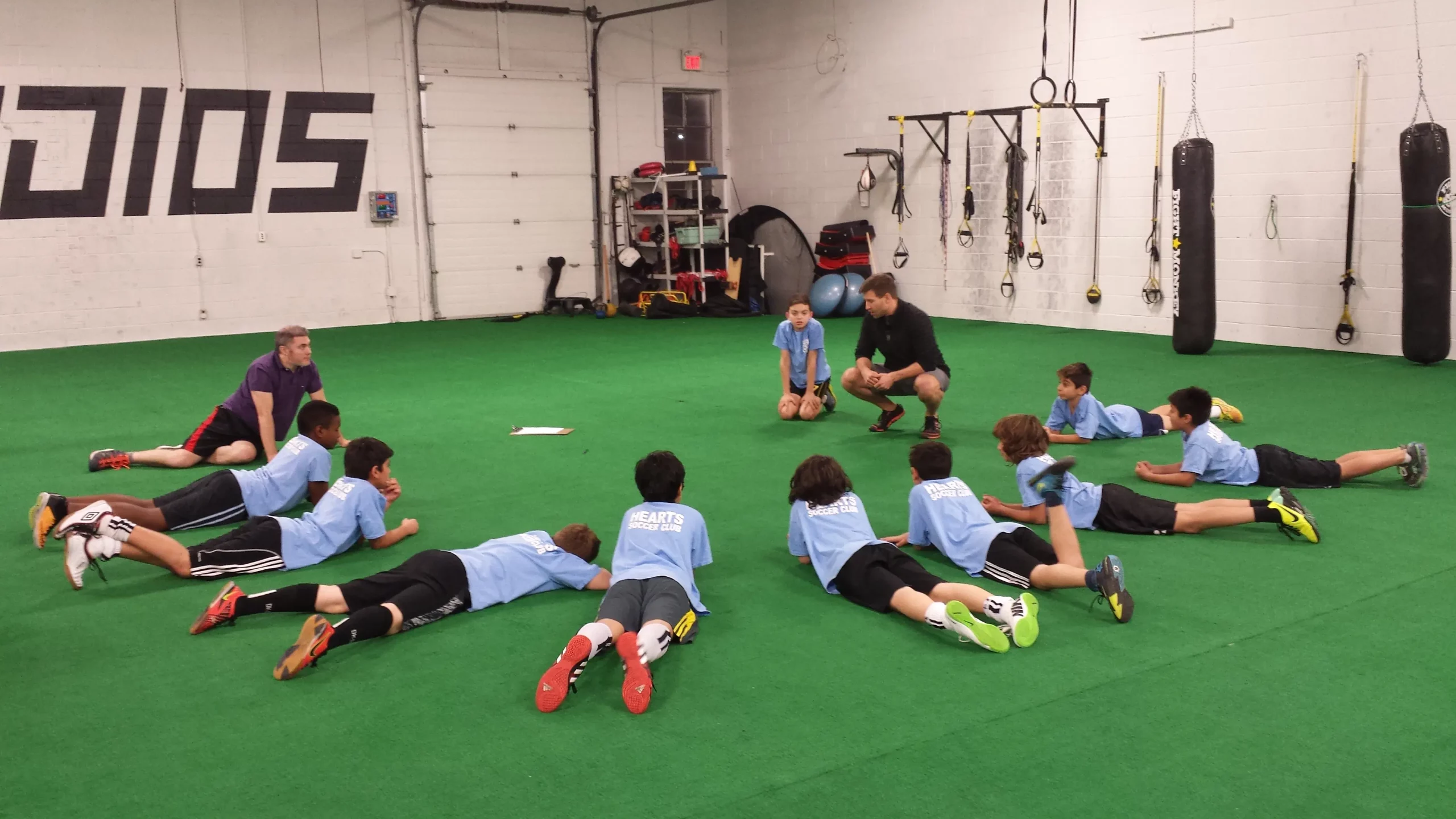
“There is a school close to us. Could we train there?”
It is a reasonable question. A nearby gym could mean a shorter trip, an easier evening, and less time spent crossing the city after work.
But finding indoor soccer space involves more than locating a building. The challenge is finding a suitable venue at a workable time, with permission to use it consistently.
For North York Hearts families, understanding those moving parts can make winter scheduling easier to understand.
A school gym serves several needs
School spaces support education and school activities before community bookings. Ontario’s Community Use of Schools guidance gives priority to school, extracurricular, and school-organized parent activities. Community access must also account for closures and maintenance. Ontario Community Use of Schools
Availability can change across the calendar. TDSB’s permit guidance identifies periods when regular permits are unavailable, including specified holidays and school breaks. Families should follow their own program’s confirmed schedule rather than assuming every week will operate identically. TDSB permit dates and times
An empty-looking gym therefore may still be unavailable for a community soccer session.
The right time matters
Consider a hypothetical opening at 9 p.m. The building may work, but the hour could be unsuitable for young children. An earlier opening elsewhere might involve a longer drive or a difficult transit connection.
Now consider siblings with different activities, coaches’ availability, and the need to repeat the arrangement week after week. A slot that exists on paper may be hard to use in practice.
This does not mean every location change is unavoidable. It explains why a useful booking depends on several things lining up together.
The session must fit the space
A venue also needs to suit the planned activity. Usable floor area, safe boundaries, permitted equipment, and the number of players influence what can take place.
A smaller gym might suit a technical activity or a small-sided game. It may not suit the same format as a large turf field. Planning should begin with what players can do well in that space.
How families can help
Use the designated entrance, arrive at the communicated time, change into clean footwear, and keep corridors clear. Follow spectator instructions and leave when the booking ends so the next group can begin.
If an arrangement is difficult for your family, raise the specific issue early through the team’s usual communication channel. A clear explanation of a transport or timing problem is more useful than a general complaint.
Indoor soccer depends on shared community spaces. Looking after them is one practical way families can support the game beyond the touchline.